Industrial silica sand for projects in Morocco and worldwide
Looking for silica sand, a specific particle size or a reliable supply solution for your business? Minerallum reviews enquiries for Morocco, France, Europe, Africa and other international markets.
Request a silica sand quoteWhat is industrial silica sand?
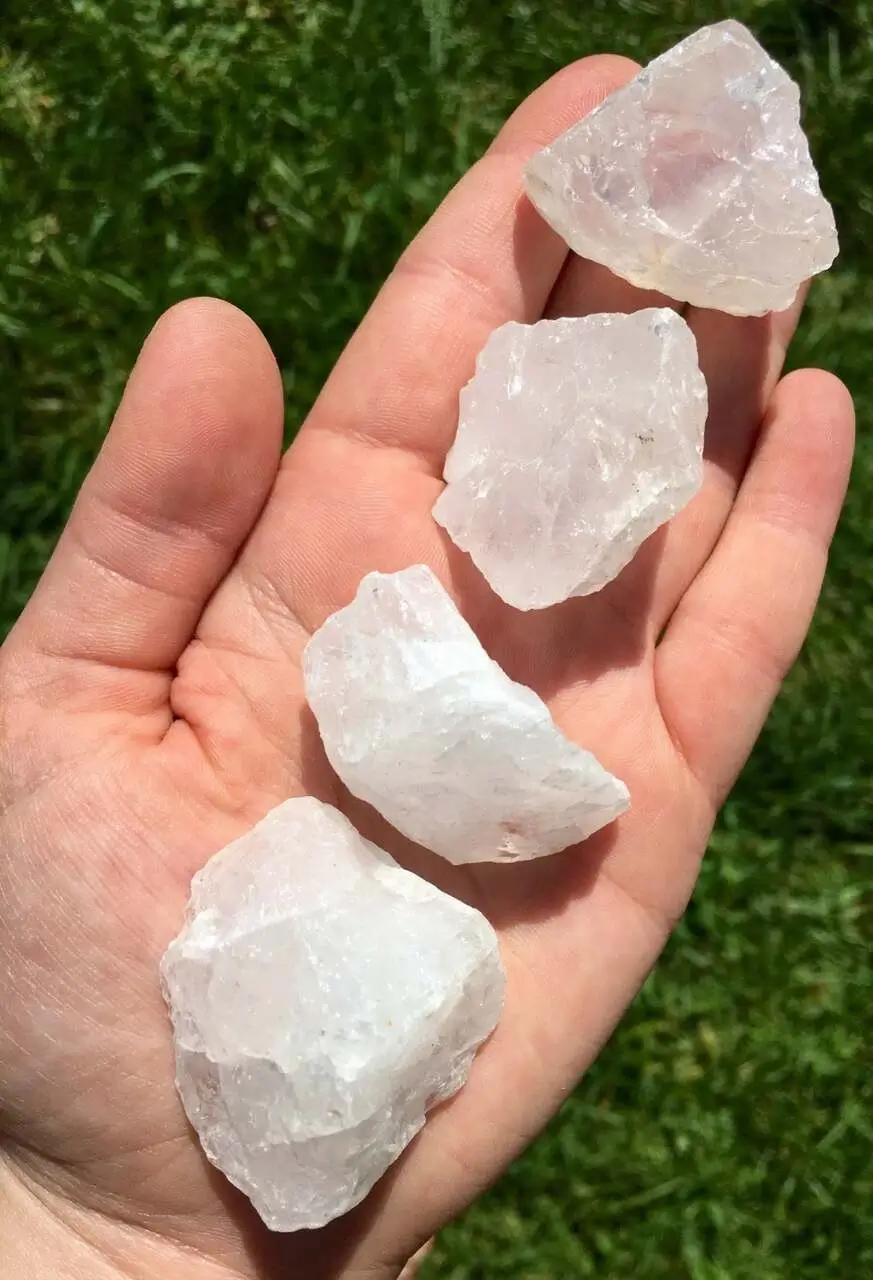
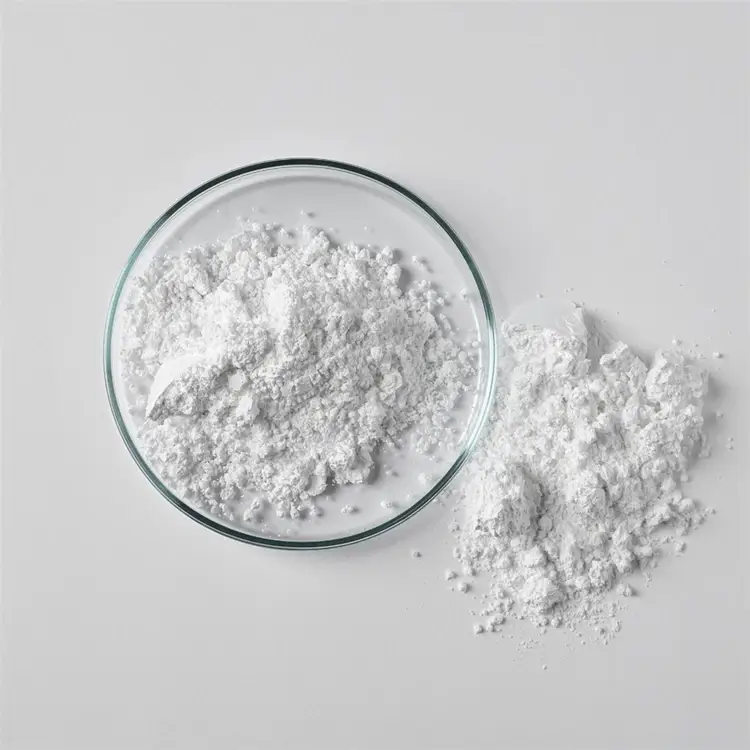
Silica sand is a granular material rich in silica, generally present in the form of quartz. It is also commonly referred to as quartz sand, industrial sand or industrial silica sand.
For industrial buyers, these names alone are not enough. Two sands that look similar can have very different chemical compositions, particle-size distributions or moisture levels. These differences can affect performance in glassmaking, foundry work, water filtration, mortar, resin and other industrial processes.
The best silica sand is not simply the whitest material or the one with the highest silica content. It is the material that matches the process, the equipment and the expected final result.
How do you assess silica sand quality?
Quality depends on the intended application. Silica sand for filtration is not selected in the same way as sand for glassmaking, foundry work, blasting, coatings, resin or construction.
| Criterion | Why is it important? |
|---|---|
| SiO₂ content | The silicon dioxide content indicates the silica richness of the sand. The required level depends on the industrial process and the expected final quality. |
| Particle-size distribution | The size and distribution of the grains influence filtration, flow, compaction, surface finish and product consistency. |
| Iron content | Iron oxides can affect the colour of the material and may be an important criterion for glassmaking, ceramics and certain mineral fillers. |
| Moisture | Moisture affects handling, storage, dosing and the actual dry-material weight delivered. |
| Fine-particle content | Excessive fines may reduce permeability, generate dust or change how the sand behaves during processing. |
| Batch consistency | Stable quality from one delivery to another makes production-line settings easier to control and reduces variation in the finished product. |
Silica sand particle size and grading
Particle-size distribution describes how the grain sizes are spread within the material. It may be expressed as a size range, a grading curve or the percentage retained on different sieves.
Descriptions such as “fine sand” or “graded sand” are too broad for a professional purchase. It is better to specify minimum and maximum grain sizes, the permitted percentage of fines and the acceptable tolerance.
Fine silica sand
Used depending on the formulation in mortars, renders, resins, paints, adhesives and mineral fillers.
Graded silica sand
Selected when the industrial process requires a stable grading curve and controlled grain size.
Filter silica sand
Selected with a grading range suited to water-treatment systems, sand filters and certain swimming-pool installations.
Industrial uses of silica sand
Silica sand is used across a wide range of industries. The right grade depends on its chemical composition, processing, washing, drying and particle-size distribution.
Glassmaking
Silica sand is a major raw material in the production of different types of glass. Purity, iron content and batch consistency are especially important.
Foundry
Industrial silica sand may be used to produce moulds and cores, depending on the thermal and grading requirements of the foundry process.
Water filtration
Controlled particle sizes may be used in sand filters, water-treatment facilities and certain swimming-pool filtration systems.
Construction and building materials
Silica sand may be used in dry mortars, renders, tile adhesives, special concrete, industrial flooring and cement-based products.
Paints and resins
Fine silica sand or silica flour may be used as a mineral filler in paints, coatings, resin flooring and other formulations.
Ceramics
Silica is used in certain ceramic formulations where controlled mineral composition and consistent raw materials are required.
Blasting and surface preparation
Certain grades may be used in blasting or surface-preparation operations, subject to the applicable health and safety regulations.
Artificial grass
Clean, dry and graded silica sand may be used as ballast or infill for certain artificial-grass installations.
Silica sand delivery in Morocco and worldwide
Minerallum reviews silica sand requirements for customers in Morocco, France, Europe, Africa and other international markets. Each project is assessed according to product specifications, required volume, packaging, destination and receiving conditions.
For domestic or international delivery, the total cost depends on particle size, processing, quantity, packaging format, transport method and distance to the customer’s site. Documentation, customs requirements and import rules may also vary depending on the destination country.
Delivery in Morocco
Provide the destination city, required quantity, packaging and preferred delivery frequency so that the most suitable logistics solution can be reviewed.
International delivery
For France, Europe, Africa or another market, provide the country, port or delivery address, required volumes and technical documents.
Silica sand packaging and delivery
The choice between bags, bulk bags and loose bulk delivery depends on the ordered volume, available handling equipment, storage capacity, transport method and consumption rate.
Bags
Suitable for small quantities, trials, construction sites and limited regular consumption.
Bulk bags
A practical option for medium industrial volumes, storage and handling by forklift or crane.
Loose bulk
Suitable for large volumes when the receiving site has the equipment required for unloading and storage.
A reliable quotation should take into account silica content, processing, particle size, moisture, packaging, quantity, destination country and delivery. A price per tonne without these details can be difficult to compare.
Quality control before placing an order
Before placing a large order, it is advisable to review the technical information and, when the process is sensitive, carry out a trial using a representative sample.
- Chemical analysis including SiO₂ content and the main oxides.
- Particle-size distribution and available size fractions.
- Moisture measurement before packaging or shipping.
- Fine-particle content and material cleanliness.
- Batch traceability and consistency between deliveries.
- Industrial testing when required by the production process.
Frequently asked questions about silica sand
What is the difference between silica sand, quartz sand and industrial sand?
These terms are often used for sands that contain a high proportion of quartz and silicon dioxide. For an industrial purchase, the commercial name alone is not enough. The chemical analysis, particle-size distribution and batch characteristics should be checked.
How do I choose the right silica sand particle size?
The particle size should be selected according to the final application. Filter sand, foundry sand and sand used in mortar have different requirements. Providing the required grading range or a reference sample is usually the best approach.
What is the price of silica sand?
The price depends on chemical quality, particle size, washing, drying, packaging, ordered volume, transport method and delivery location. A detailed quote request provides a more accurate estimate for the project.
Can silica sand be delivered internationally?
Yes. Delivery enquiries can be reviewed for Morocco, France, Europe, Africa and other countries. Feasibility depends on the required volume, packaging, destination, transport method, documentation and local import requirements.
What information should I provide when requesting a quote?
Provide the application, required SiO₂ content, particle-size range, acceptable moisture level, packaging, quantity, order frequency, city and destination country.
Sources and documentation
This page is based on technical and institutional publications covering silica sand, crystalline silica and their industrial applications.
- 01 U.S. Geological Survey
Silica Statistics and Information
General information about silica, industrial sand and their main applications.
View source - 02 U.S. Geological Survey
Industrial Sand and Gravel
Documentation covering industrial sand, quartz sand and their applications.
View source - 03 INRS
Crystalline silica — Key information
Occupational-health guidance relating to exposure to respirable crystalline silica dust.
View source - 04 Anses
Exposure to crystalline silica
Assessment of occupational health risks associated with crystalline silica exposure.
View source
Silica sand specifications should always be confirmed using the technical data sheet, representative batch analysis and the requirements of the intended industrial application.